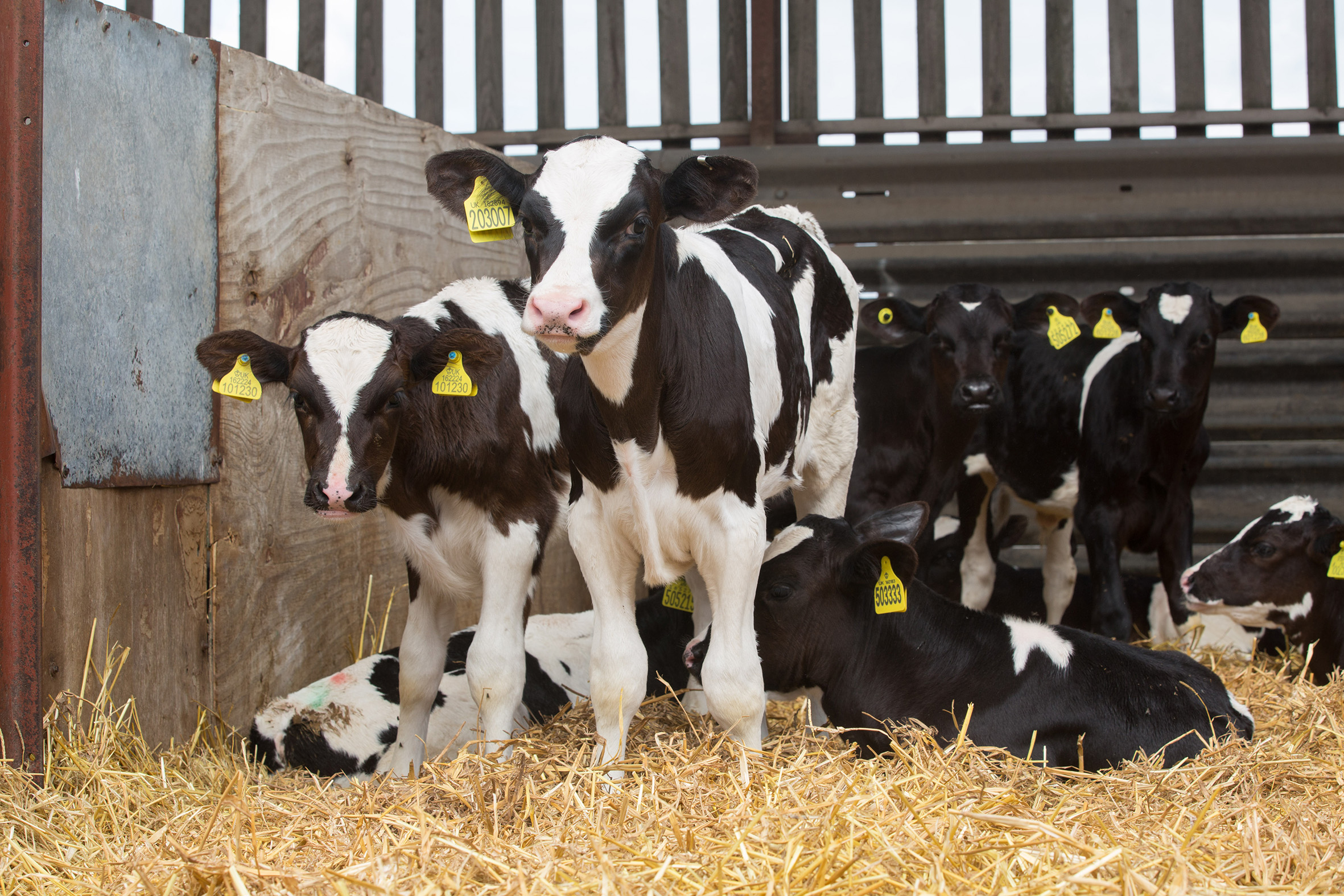
FARMERS are being urged to pay particular attention to calf housing hygiene during the winter months to reduce the risk of disease among young livestock.
With cattle moving indoors as temperatures fall, dairy hygiene specialist Progiene has warned that calves are particularly vulnerable to infection in damp and dirty conditions.
The company’s Alison Clark said thorough cleaning and disinfection of calving facilities ahead of the calving season could significantly reduce the risk of disease.
“Disinfecting calving facilities prior to calving helps reduce future disease pressure,” she said.
“Many parasites and eggs can survive for several weeks, so having a ‘dry’ period is critical and many pathogens and parasites thrive in damp, dirty conditions, so a clean, dry environment is important to minimise infection risk.”
Ms Clark advised farmers to remove manure, old bedding and debris from calf pens before thoroughly washing and disinfecting the facilities, paying particular attention to walls, floors and crevices where contamination can accumulate.
She recommended completing the cleaning process up to eight weeks before calving, allowing time for the housing to dry and reducing the risk of infection when newborn calves arrive.
However, she stressed that maintaining hygiene extended beyond the pens themselves.
“Every touch point on the farm needs to be considered as part of the sanitisation process,” she said.
“Considering everything from milk collection and feeding equipment to gates, walls and floors will help to prevent vulnerable calves being in danger during the early days and weeks following calving.”
Farmers were also encouraged to monitor recurring disease problems and seek appropriate advice on disinfectants and testing.
Common causes of calf scour, or diarrhoea, include rotavirus, coronavirus, E. coli and cryptosporidium, with some pathogens capable of surviving in the environment for extended periods.
Ms Clark said identifying which infections were present could help farmers take more targeted preventative measures.
“Taking the time to clean and disinfect pens and equipment well ahead of calving will reduce the risk of infection and support the health and performance of calves,” she added.