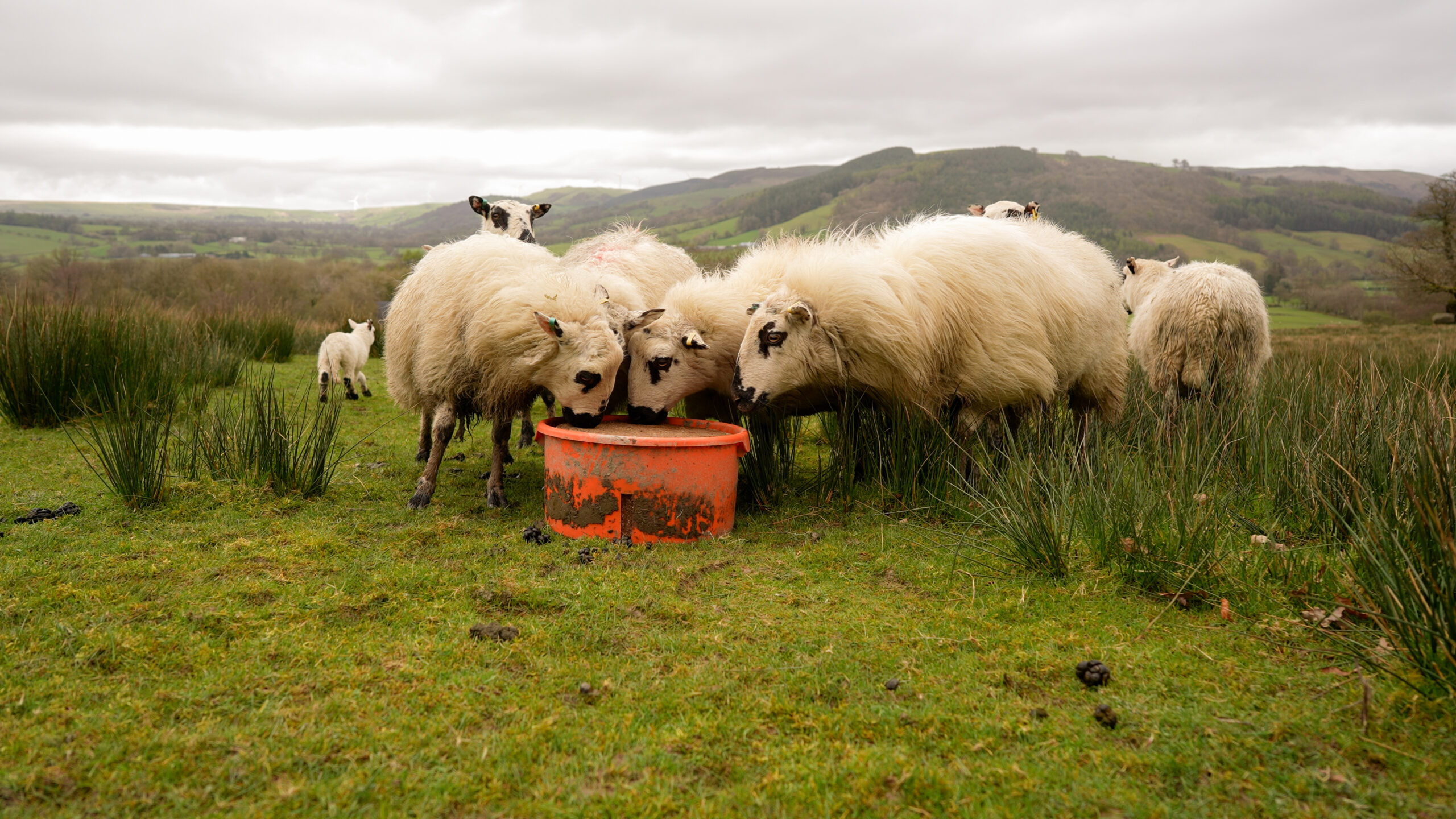
SHEEP farmers are being urged to monitor ewe condition carefully this winter amid concerns that reduced forage supplies and poor-quality grazing could affect flock health and lamb survival rates.
Following a dry summer, livestock nutrition specialists are warning that maintaining ewe condition during pregnancy will be particularly important, especially for hill and upland flocks where grazing may be limited.
Dr Alison Bond, nutritionist at animal feed company Rumenco, says supplementary feeding during mid-pregnancy could help prevent ewes losing condition and reduce the risk of problems with unborn lambs.
She said: “Supplementing hill and upland ewes during the critical mid-pregnancy period will help to avoid any loss in body condition that could result in lower survival rates and reduced viability in newborn lambs.”
The second trimester is a particularly important stage of pregnancy, when the placenta is developing and ensuring an adequate supply of nutrients to unborn lambs is essential.
Dr Bond warned that weight loss during this period could affect placental development, potentially reducing lamb birthweights, vigour and survival rates.
She said: “Prioritising flock nutrition during the second trimester is important, with supplementary feeding being a key consideration if grazing or forage supplies are lacking in either quantity or nutritional quality.”
While hardy hill breeds are generally well adapted to poorer grazing conditions, Dr Bond said additional nutrition may still be necessary when forage quality or availability declines.
She recommends that upland ewes maintain a body condition score of around 2.5 during mid-pregnancy, although achieving this could prove challenging where feed supplies are under pressure.
The company advises farmers to consider supplementary feeding, including protein and mineral blocks, to help maintain condition and support the use of lower-quality forage.
Dr Bond said providing feed in smaller quantities throughout the day could offer advantages over traditional trough feeding, particularly for pregnant ewes.
She explained that competition at troughs can lead to pushing and bullying, while free-access feed blocks allow animals to supplement their grazing more naturally.
“Where there is pressure on supplies or the quality is not there, it really is vital not to allow this to impact on flock condition,” she said.
The nutritional quality of winter grazing is another concern, with forage typically becoming more fibrous, lower in protein and harder for livestock to digest.
Adverse weather can also increase the energy requirements of pregnant ewes, placing further pressure on limited feed supplies.
Dr Bond highlighted the importance of ensuring sheep receive adequate minerals and trace elements, including zinc, cobalt, selenium and vitamin E, which play roles in immune function, fertility and the development of healthy lambs.
She said these nutrients may be lacking in some forages, making it important for farmers to assess whether supplementation is required.
Rumenco recommends its Rumevite range of feed blocks for hill and upland flocks, although the appropriate feeding approach will depend on individual flock requirements and available forage.
Dr Bond concluded that regular monitoring of body condition, alongside appropriate supplementary feeding where necessary, would be key to protecting ewe health and supporting successful lambing next spring.