FOUR OF Scotland’s Monitor Farms are putting virtual fencing through its paces on hill and upland ground—and early results suggest real wins for grassland management, stock control and habitat, alongside some predictable teething troubles with connectivity and kit
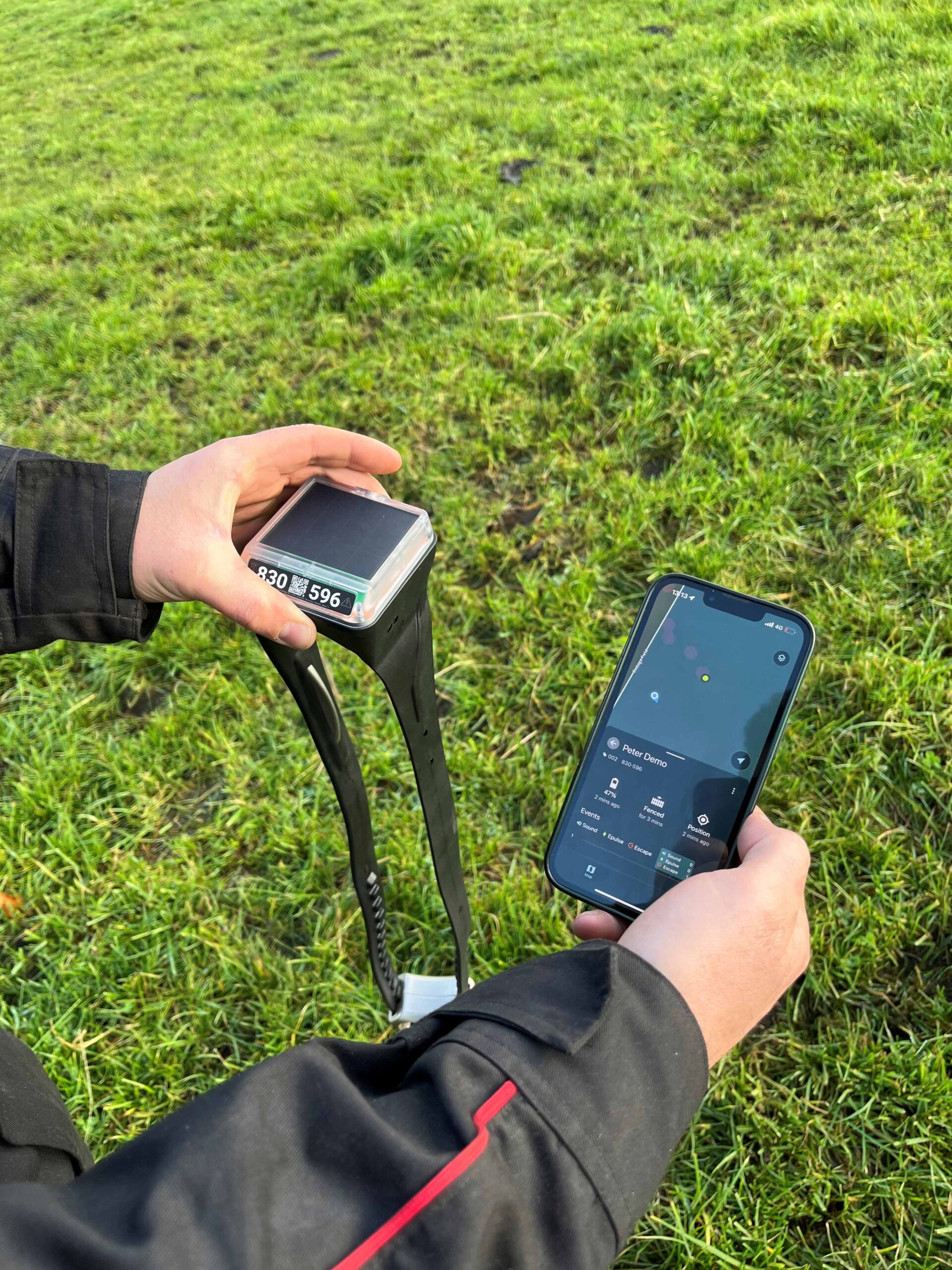
The farms in Argyllshire, South Ayrshire, Stirlingshire and Strathspey are midway through a two-year trial using 25 solar-powered collars per farm supplied by Norwegian specialist Monil.
The system lets farmers draw, move and remove ‘fences’ on a smartphone app; cattle learn to turn at an audio cue before the collar escalates to a mild deterrent. The app shows live location, movement and alerts for animals that stop or stray, and virtual paddocks can be shifted in minutes without a post being knocked in.
On the South Ayrshire Monitor Farm, David Andrew fitted collars to heifers at grass, including through calving, and says day-to- day stock work is far more efficient: “It used to take up to an hour to find a missing cow in bracken or on a foggy day— now it’s about 15 minutes. I wonder how we did it before this technology.”
Andrew has also used the virtual line to exclude cattle from a fresh kale-and- stubble-turnip reseed on in- bye ground. On the hill, the collars encouraged cattle to graze less-favoured patches, with the knock-on benefit of more even pasture.
“When it came to gathering the sheep, I don’t think I’ve ever lifted more ewes off that side—the cattle grazing has clearly helped,” he added.
In Strathspey, brothers Calum and Hamish Smith have rotated heifers through three large virtual paddocks, finding that evening moves work best.
“The cattle and the hill look well,” said Calum. “We’re hopeful of keeping heifers out longer this autumn, and we may put collars on cows that outwinter.”
They did hit a few bumps: two collars came off heifers as they grew and needed refitting, and there were some breakouts when other cattle disturbed the group— animals that had been without collars for a time were keen to test the line on reintroduction.
Upland reception remains the big caveat. At the Stirlingshire Monitor Farm’s Inveruglas hill unit, Rebecca Duncan says patchy signal has limited the system’s potential: “We’ve ended up using the collars more like trackers, but the signal is very patchy. We had one animal ‘stuck’ inside the virtual fence and another group of four split from the rest.”
Supplier Monil is working with the team to improve coverage and reliability.
Connectivity has also been mixed on Islay, reports Craig Archibald at the Argyll Monitor Farm: “Closer to home it’s better, but some pastures in the shadow of the hills are difficult and updates can be slow.”
Even so, Archibald says the collars have largely done what was hoped: cattle have taken down rougher, longer swards, especially Molinia, while gates can be left open to simplify mixed grazing with sheep and make gatherings easier.
Islay’s hill grass was analysed this summer and supplementary feed used in year one to support cattle performance; with grazing pressure now better targeted, the team expects grass quality to improve again next season and reliance on bought-in feed to drop.
Recent scoring shows cows and heifers have held condition, so the plan is to outwinter cattle and calve outside in spring—freeing shed space for other stock and offering a real-world test of the collars’ solar power through the darker months.
Across the project, farm teams say the ability to redraw boundaries instantly—to protect a reseed, rest a bite, or nudge cattle onto under-used hill—has been the standout advantage, along with the time saved on checks and finds.
Christine Cuthbertson, Monitor Farm regional adviser, says the trial is already proving instructive: “It’s been fascinating to see how different farms are using the collars. Connectivity is the challenge, particularly for Stirlingshire, but we’re hopeful of improvements. We’re looking forward to the autumn results and to how farms might adapt their grazing plans as they gain confidence with virtual fencing.”