ARGYLL and Bute Council has failed to specify how much of the £70 million Rural Growth Deal (RGD) will be directly invested in Dunoon and Cowal.
Early last year, the multi-million-pound funding package was officially signed off on the Isle of Bute, where both the Scottish and UK Governments contributed £25 million, and Argyll and Bute Council and its partners provided at least £20 million of match funding.
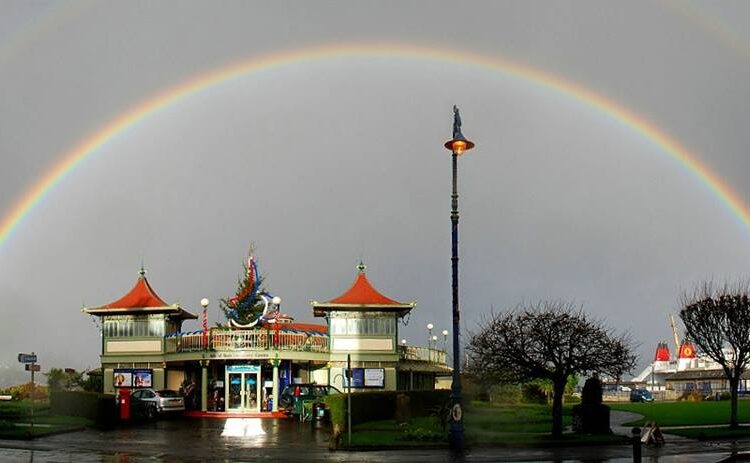
A list of projects set to benefit from the deal includes £9 million for Rothesay Pavilion, £4 million for a UAV hub at Oban Airport, and £2 million for a new seaports hub in Campbeltown.
Questions have now been raised over Dunoon’s share of the major investment programme following the announcement of a new immersive classroom at Dunoon Grammar School.
As reported in this newspaper earlier this month, the Holodeck classroom will be funded by the RGD and will use cutting-edge technology to create a 360-degree learning environment, designed to bring lessons to life.
The Holodeck classroom forms part of the development of STEM (Science, Technology, Engineering, and Mathematics) Hubs in Dunoon and Oban, which are being supported through the RGD.
According to industry prices, a Holodeck installation like the one set for Dunoon Grammar School would cost around £150,000–£200,000. So is this the totality of Dunoon’s share of the £70 million deal?
The Dunoon Observer this week asked the local authority to clarify exactly how much RGD funding will be directly invested in projects and infrastructure specifically located in Dunoon and the wider Cowal area.
In response, the council confirmed that £2.5 million was being invested in education and learning facilities through the development of STEM Hubs in Dunoon and Oban, but it did not provide a breakdown showing how much of that £2.5 million was being spent in Dunoon compared with Oban.
The council also did not identify any additional RGD projects or provide a total figure for investment directly allocated to Cowal.
A council spokesperson said: “The RGD requires business cases to be approved by both Governments and, as such, projects have to be judged as being transformational, with projects selected over a decade ago.”
They added: “The Rural Growth Deal is only one initiative. We continue to work across a range of activities, including the Community Regeneration Partnership, to provide funding opportunities for Cowal and Bute.”
Despite the Observer’s specific request for the total amount of Rural Growth Deal funding being invested in Dunoon and Cowal, no figure was provided.
Back in March last year, shortly after the RGD had been signed on the Isle of Bute, Dunoon ward councillor and depute joint leader of Argyll and Bute Council, Ross Moreland, expressed his displeasure over Dunoon’s projected share of the RGD and explained that he had wished more local projects had been identified.
With the programme worth £70 million, the absence of a clear Dunoon and Cowal breakdown leaves unanswered questions over how much direct investment local communities will receive from one of the largest public investment programmes in the area in recent years.