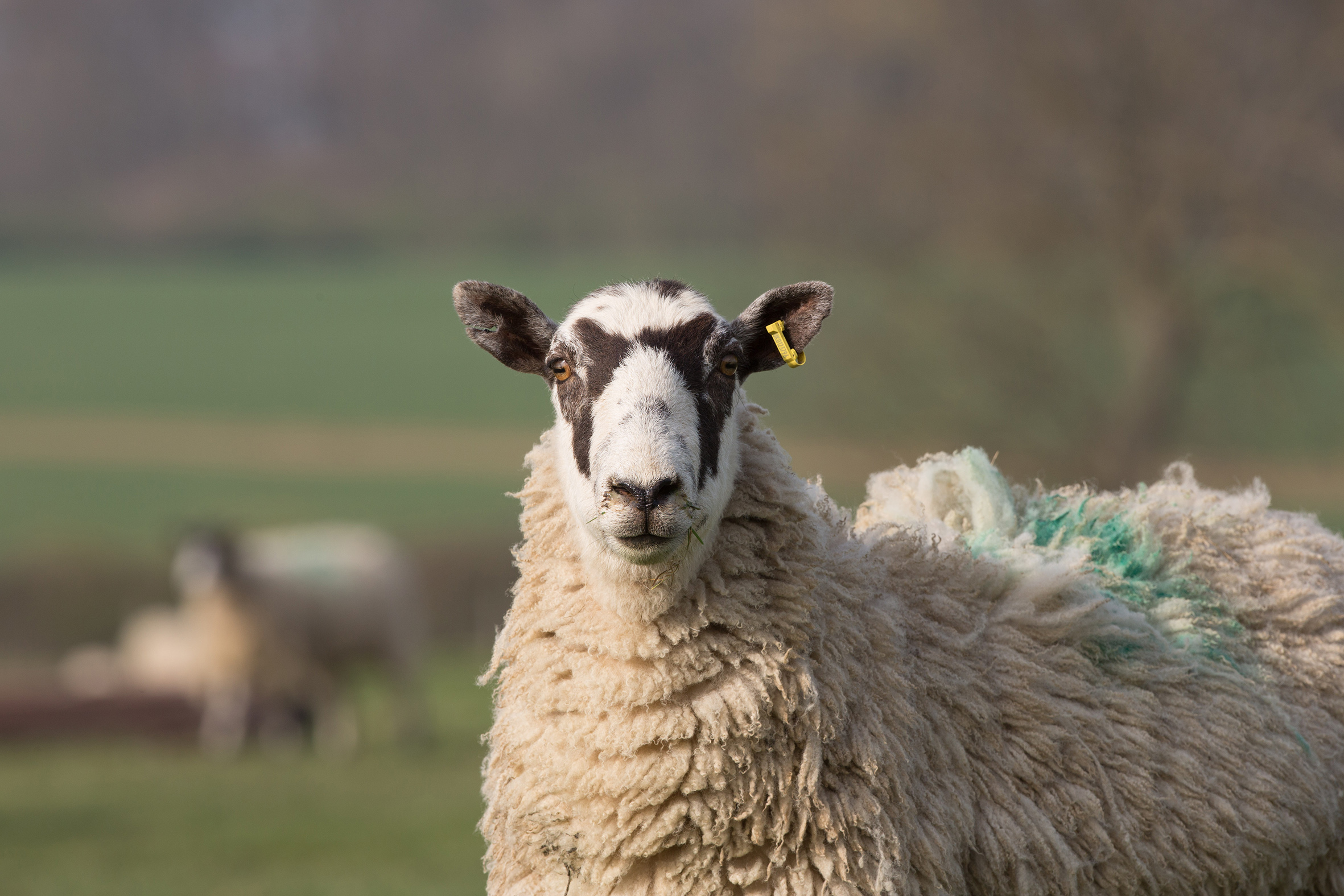
SHEEP farmers are being encouraged to use the summer months to assess ewe health and condition rather than waiting until the busy autumn period.
While the weeks after weaning are often considered a quieter time in the sheep farming calendar, livestock specialists say simple checks carried out now could help improve flock performance ahead of tupping.
Rumenco’s Dr Alison Bond says farmers should focus on what she describes as the “four Ts” after weaning — tone, toes, teeth and teats — with the results helping guide the fifth important factor: tupping preparation.
She explained: “We talk about the four Ts of post weaning. These being tone, toes, teeth and teats.
“This then dictates a fifth determining factor which is nutrition to help get ewes in the best shape for the fifth T, which is tupping.”
One of the key areas is tone, or body condition score (BCS), which plays an important role in fertility.
Dr Bond said: “BCS is the foundation of fertility, and post weaning, a lowland ewe should have a BCS somewhere between 2.5 and 3.
“The aim is then to help the ewe gain between half to one unit of BCS, which is the equivalent of five to ten per cent of the ewe’s body weight, by tupping.”
Farmers can assess this by checking the level of fat covering the spine and short ribs, helping identify animals that may need additional support before breeding.
Foot health is another important consideration, as lameness can affect a ewe’s ability to graze effectively and maintain condition.
Dr Bond recommends checking for common issues such as foot rot and scald, as well as monitoring bought-in replacement animals.
She said: “Foot health is paramount to the ewe’s ability to feed and develop the optimal BCS ahead of tupping.”
Dental health can also provide valuable information, particularly when making decisions around older ewes.
Broken, missing or misaligned teeth can affect feeding ability and may contribute to poor condition.
Dr Bond added that teat health should also be assessed following weaning, with farmers checking for signs of mastitis, hardness or lumps.
She explained that damage caused by lambs oversucking can leave ewes more vulnerable to infection and may indicate issues with milk supply or nutrition.
Although autumn is traditionally a key time for preparing ewes ahead of breeding, Dr Bond says early intervention during summer can reduce pressure later in the season.
She said maintaining condition throughout the year is particularly important when grazing conditions are challenging.
She added: “Proactively managing ewe condition throughout the year is important.
“While many would see summer as a relative downtime in a ewe’s cycle, it is also a time when forage quality and availability can be compromised, which can lead to sharp falls in body condition.
“Using these five checks will help ewes stay on track and lessen the task when it comes to the vital weeks before tupping.”