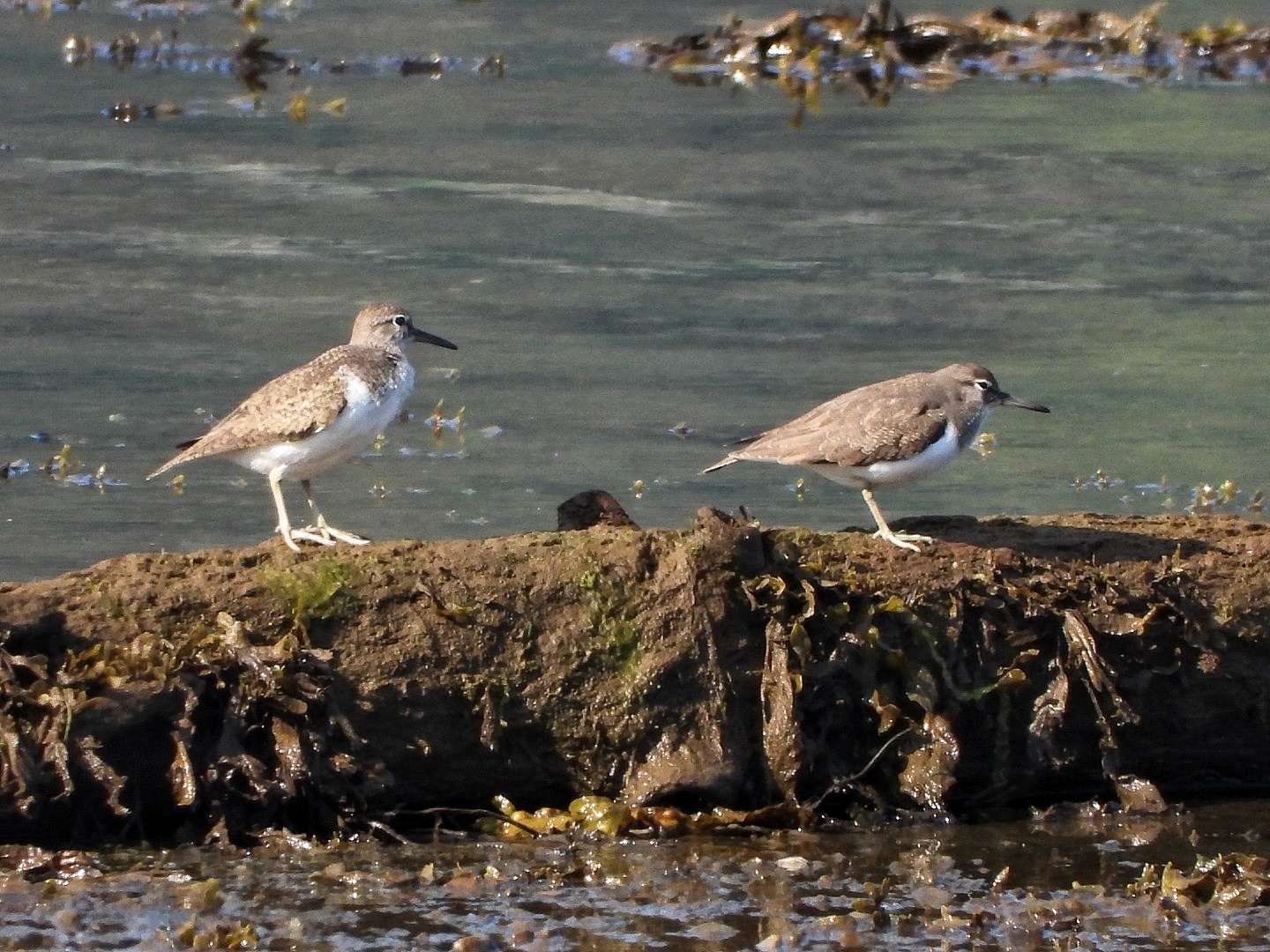
RARE breeding birds have returned to Holy Loch Nature Reserve for the first time in years, marking what conservationists have described as a major milestone in the site’s recovery.
Former Holy Loch Nature Reserve ecologist Dr Neil Hammatt said the successful nesting of Common Sandpipers this year represents the fulfilment of a vision first set out four years ago when work began to balance wildlife conservation with public access and education.
The migratory birds, which spend much of the year in Africa before travelling to Scotland to breed during the summer months, have chosen the reserve as a nesting site after years of habitat improvements.
Dr Hammatt said: “The vision was nesting Common Sandpipers, and this year they finally have.
“They hide their hatchlings in dense vegetation, where they feed themselves until they are large enough to come out into the open. The parents simply keep watch.
“They have a long southerly migration to feed up for. These birds are mostly African, only heading to Scotland to breed during the plentiful months.”
The return of breeding Common Sandpipers is being viewed as a key indicator that conservation efforts at the reserve are beginning to deliver positive results.
Oystercatchers also returned to nest at the reserve this year, although their eggs were lost to predators.
Despite that setback, Dr Hammatt said the overall outlook for the reserve remains extremely encouraging.
“This is what can happen when a community works together to protect nature and places a real value on its natural environment,” he said.
He also praised the support of Argyll Bird Club, which has helped provide information signs encouraging visitors to enjoy the reserve while minimising disturbance to wildlife.
Although breeding waders have largely disappeared from the head of the Holy Loch in recent years for reasons that remain unclear, Dr Hammatt believes the increasing diversity of wildlife at the reserve suggests the habitat is continuing to recover.
Looking ahead, Holy Loch Nature Reserve plans to begin mink monitoring later this year as its final major conservation initiative of 2026.
Further education projects and enhanced protection measures are also planned for 2027 to help safeguard the more than 3,000 species recorded at the reserve.
Dr Hammatt paid tribute to the reserve’s team of around 30 volunteers, whose efforts he described as vital to the project’s success.
He added: “We would like to thank everyone who has supported or visited Holy Loch Nature Reserve over the past few months, and I’m sure the Common Sandpipers would echo that sentiment.”
For more information about Holy Loch Nature Reserve, visit www.hlnr.org.uk.