FARMING experts are warning that more frequent and intense heatwaves are threatening crop production, soil health and the long-term sustainability of agriculture, with calls for coordinated action to help farmers adapt to a changing climate.
Professor Nicola Cannon, Professor of Agriculture at the Royal Agricultural University (RAU), said rising temperatures are already affecting the way crops grow, reducing yields and putting future food security at risk.
She explained that when temperatures rise above the optimum level for crops, vital processes such as photosynthesis begin to shut down, slowing or even halting plant growth.
“Extreme heat fundamentally disrupts how crops grow and function,” Professor Cannon said.
“When temperatures exceed optimal thresholds, plants shut down critical physiological processes such as photosynthesis, which directly reduces growth and yield.
“High temperatures also drive rapid water loss in plants, leading to wilting. Plants respond by closing their stomata to conserve water, but this also restricts carbon dioxide uptake and reduces photosynthetic efficiency.”
Professor Cannon said prolonged periods of extreme heat can leave crops unable to continue growing, reducing both biomass and the amount of carbon they can capture from the atmosphere.
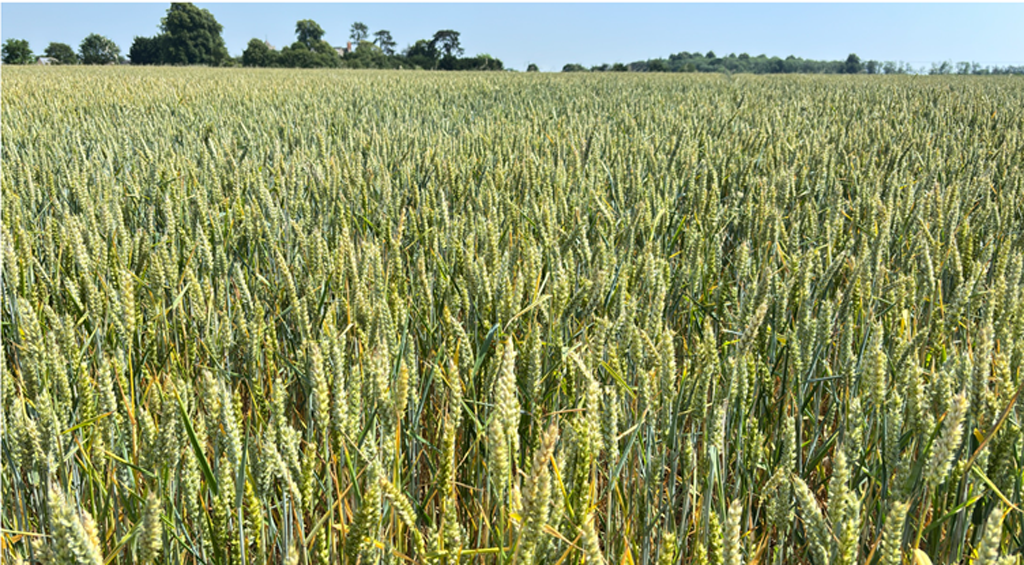
Heat stress is particularly damaging during flowering and grain filling, when crops are setting seed. While the UK’swinter wheat crop has largely passed its most vulnerable stage this season, spring wheat is only now entering its most heat-sensitive period, leaving it more exposed to the current spell of high temperatures.
The effects are not limited to crops above ground.
Professor Cannon said rising soil temperatures also place stress on the living ecosystem beneath the surface, accelerating the breakdown of organic matter and increasing carbon and nitrogen losses.
“Soil is a living system, and extreme heat places that system under stress,” she said.
“We see reductions in biological activity, changes in nutrient cycling and ultimately a loss of the resilience that healthy soils provide.”
Dry, degraded soils are also more prone to erosion and compaction, further reducing their ability to support crops and retain water.
The combined impact of lower crop yields, increasing irrigation demands and declining soil health presents a significant challenge for sustainable farming, Professor Cannon warned.
She added that repeated heatwaves could weaken the natural resources that agriculture depends on, making farms more vulnerable not only to drought but also to flooding and erosion caused by heavy rainfall.
Experts say adapting farming systems will be essential if agriculture is to cope with future climate conditions.
Measures including increasing crop diversity, improving soil organic matter, maintaining living roots throughout the year and adopting regenerative farming practices could all help improve resilience during periods of extreme heat.
Professor Cannon said supporting farmers would be vital as climate change continues to increase the frequency of extreme weather events.
“Building resilience into farming systems is critical,” she said.
“Practices that improve soil structure, retain moisture and support biological activity can help mitigate the impacts of high temperatures and make agriculture more adaptable to climate change.”
With climate projections indicating that extreme heat events will become more common, it is vital that there is coordinated action from policymakers, industry and the farming community.
“Farmers are on the frontline of climate change. Supporting them with knowledge, tools and long-term policy frameworks is essential if we are to safeguard food production and environmental sustainability for the future.”