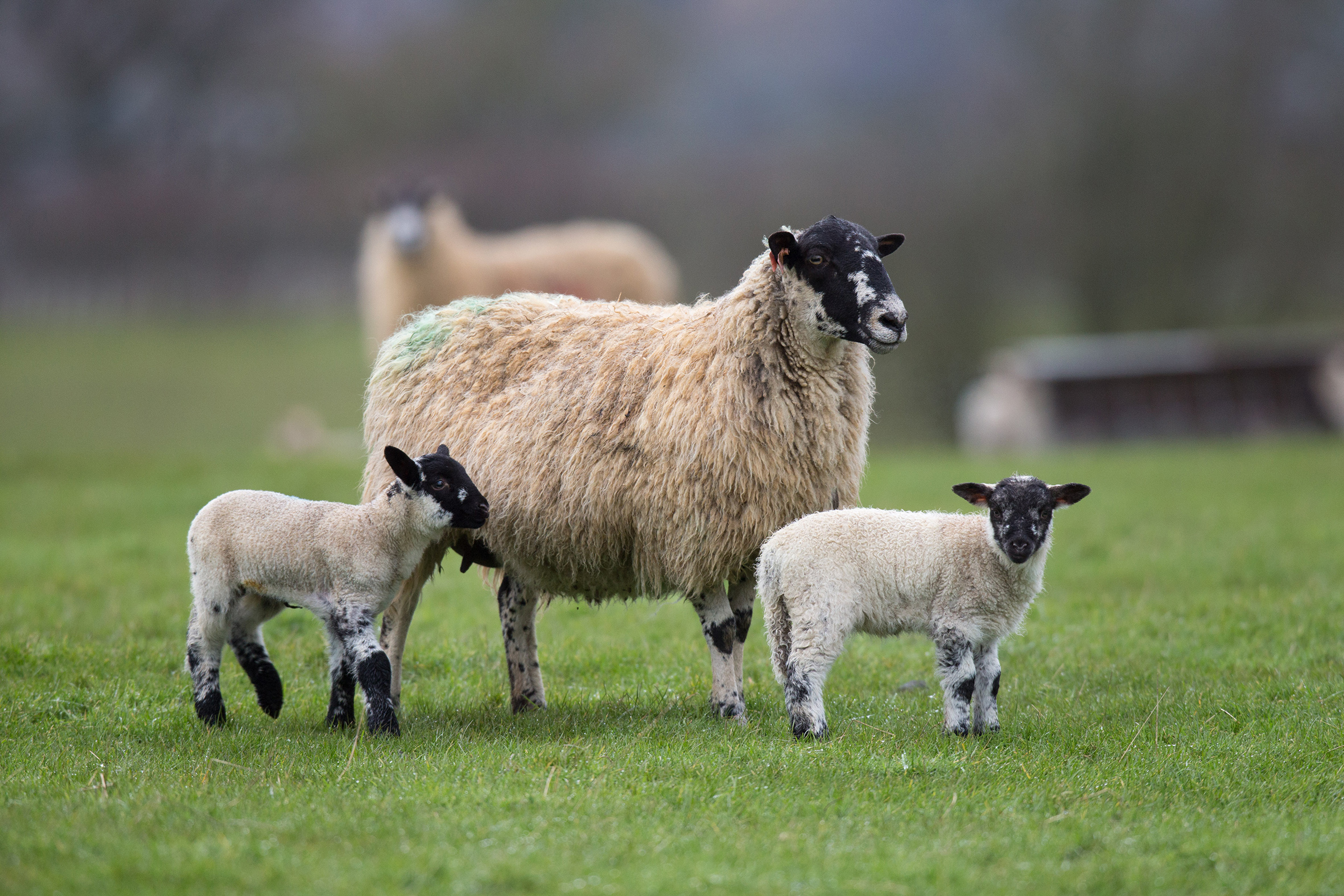
SHEEP farmers are being encouraged to use weaning as a key opportunity to assess ewe condition and make any necessary changes ahead of tupping.
Industry experts say checking body condition score (BCS), teeth, feet and udders at weaning gives farmers valuable time to address any issues and improve flock performance before the next breeding cycle.
Dr Alison Bond, Technical Services Manager at Rumenco, says monitoring ewes at important stages throughout the year can help prevent major changes in condition and support healthier, more productive flocks.
She said: “Weaning at 12 weeks is a good target, when lambs should be in the 25 to 30kg bracket and will be taking very little milk from the ewes.
“There will of course be a focus on the lambs’ readiness for market at this stage, but it is equally important to put a hand across the ewes to assess their condition.”
According to Dr Bond, acting immediately after weaning can be more effective than waiting until closer to tupping, when there may be limited time to improve ewe condition.
She explained that lowland ewes with a body condition score below 2.5 at weaning should be identified early and managed separately to help them reach the recommended condition ahead of breeding.
She said: “These poorer condition ewes should be grouped accordingly and put onto the better available grazing and will need the appropriate supplementary feeding.”
Maintaining good ewe condition is recognised as an important factor in flock productivity, affecting everything from scanning results to lamb health and growth rates.
Dr Bond added: “Ewes in optimum condition at tupping are known to have more lambs at scanning, healthier lambs at 48 hours after birth, and heavier lambs at eight weeks of age.
“It affects the whole production cycle, and not just one element, and is ultimately one of the biggest factors affecting flock performance and profitability.”
Farmers are advised to avoid large fluctuations in condition throughout the production cycle, with regular checks allowing feeding and management plans to be adjusted where required.
Dr Bond said the aim should be to keep ewes within a healthy condition range and use key points in the farming calendar, including weaning, to identify animals requiring extra attention.