THE DECISION to increase the wages of Argyll and Bute Council’s chief executive by £22,000 has come under fire from a former local councillor, who also claims the increase can be stopped.
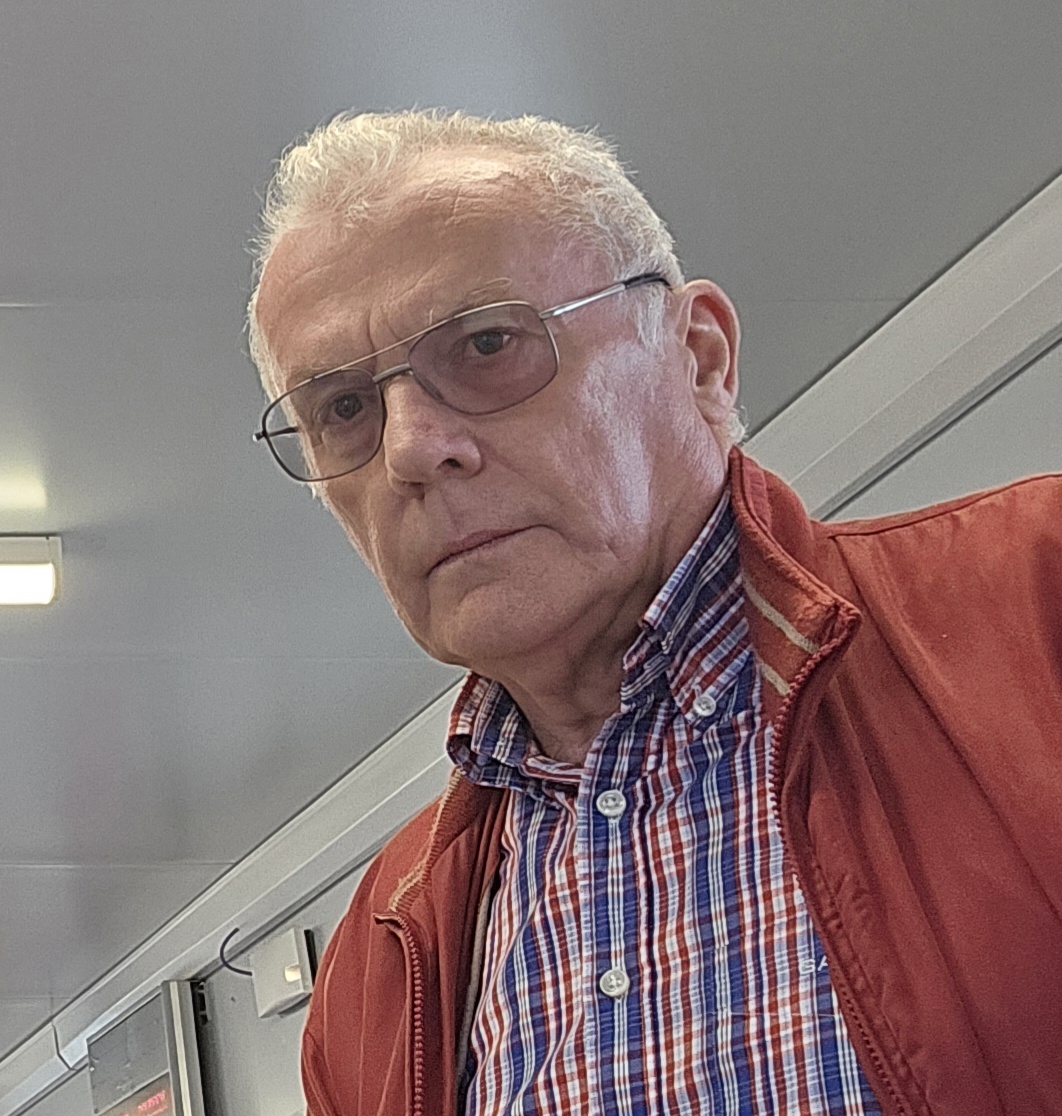
Michael Breslin, who was elected as a Dunoon ward councillor in 2012 before leaving in 2017, criticised the recently proposed 14 per cent pay increase for the chief executive of Argyll and Bute Council.
The increase stems from a CoSLA (Convention of Scottish Local Authorities) and SOLACE (Society of Local Authority Chief Executives) agreement applying to all Scottish councils, which aims to retain senior staff, align pay nationally, and ensure councils remain competitive with other sectors.
The agreement is negotiated nationally, not voted on locally, and councils are generally expected to implement it.
However, in a statement issued to this newspaper, Mr Breslin argues councillors can halt the increase and has called on them to stop the largesse, especially during the current climate of tabled cuts to public services.
He explained: “The chief executive’s salary will be in excess of £177,000 once the November 26 increase is paid.
“This is bad enough, but there are 13 other senior posts who will benefit from this because their salaries are based on a percentage of the chief executive’s. In total, the cost of this, once paid in full and including employer on-costs, is £158,000 per annum.
“But it actually gets worse; once these post holders retire, their replacements will get the inflated salaries and the current beneficiaries will get inflated pensions. It’s hard to know the full cost, but it will be over £200,000 per annum, including pension increases.”
Mr Breslin wrote to every Argyll and Bute councillor on December 1, explaining that the proposed wage increase for senior council officials can be stopped and that there is no legislative requirement to pay them.
“I got two replies from 36,” he said. Adding: “There is a view that these increases cannot be stopped. They can. This is an agreement between CoSLA and SOLACE. The current chief executive of our council happens to be the vice-chair of SOLACE. Agreements can be reached and agreements can be terminated.
“From 2012 to 2017, as one of the three members of the Reform group (others being former councillors Bruce Marshall and Vivien Dance), we knew we could end these agreements and were prepared to do so in order to bring power to our area committees, end the huge salaries at the top and increase real accountability.
“Our councillors need to act quickly to bring this largesse to an end. Failure to do so will only increase the budget pressures.”
As the row over the proposed wage increase for the council’s chief executive rumbles on, the clock is ticking down towards February when decisions will be made according to budget constraints regarding a wide range of public service and health and social care cuts.
An Argyll and Bute spokesperson said: “Chief executives’ salaries are agreed nationally through CoSLA, in line with changing and increasing demands on the role. The Council is legally bound to implement the change.
“The council has reduced its senior leadership by more than 50 per cent since 1996, including council-funded roles in LiveArgyll and the Health and Social Care Partnership, and continues to go through change and public sector reform.”