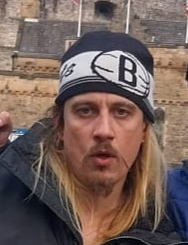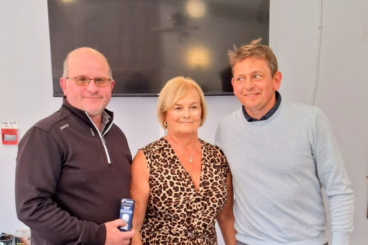
Bute Museum’s winter programme resumed with a talk given by local resident Robert Paterson.
Robert worked for the British Antarctic Survey for 20 years and served as a government officer at the research base in South Georgia for two.
Robert’s talk focused on an ambitious project aimed at eradicating rats from South Georgia, an island situated between the Falklands and Antarctica, which is a British overseas territory. It was a pristine natural environment until rats arrived on the island along with visiting humans. The rat population flourished whilst native bird populations declined, as they preyed on ground-nesting birds’ eggs. This had a devastating effect on the island’s bird populations; bird species such as the South Georgia Pipit became almost extinct. A smaller population of mice also had a detrimental impact on the natural environment.
Recognising the urgent need for action, conservationist Tony Martin pioneered a project to eradicate the rats and mice, raising funds and leading what became known as Team Rat. The challenge which confronted the team was to develop a poison that would be attractive to rats but would not harm native species, dissolve in the harsh weather conditions, and be able to be distributed in inaccessible terrain. Fortunately, South Georgia has two large glaciers which divided the areas to be treated. Rats do not cross glaciers; this allowed the team to treat the terrain one section at a time. The glaciers are receding rapidly, so the project could not be delayed.
The average size of each of the three areas was about three times the size of Bute. Complete eradication was essential, as the survival of even a single pregnant female rat would jeopardise the entire mission.
The distribution of poison bait was carried out using bait buckets suspended from helicopters. Distribution rates were calculated and it was ensured no sections were missed by tracking on GPS. Flying days were limited by the weather conditions. After each phase, thorough monitoring confirmed that no rats remained before proceeding to the next section. The project commenced in 2011 and reached completion by 2015, becoming the largest island rodent eradication operation ever conducted in the world. Remarkably, the initiative was completely funded by voluntary contributions.
In 2018, South Georgia was declared rodent-free. Almost immediately, the numbers of South Georgia pipits and pintails surged, and now they can be seen everywhere on the island. The natural balance of the ecosystem has been restored, demonstrating the profound impact of the eradication project. The island continues to be monitored to prevent the introduction of any non-native species.
The next talk on January 20th will be given by Rebecca Synott and Malcolm Newdick; they will explore ways in which DNA can be collected from squirrels and how it will be used to support Bute’s red squirrel project.