STAFF at Benmore Botanic Garden are continuing the monumental task of clearing debris and assessing long-term damage across the 120-acre site, following the devastation caused by Storm Eowyn, earlier this year.
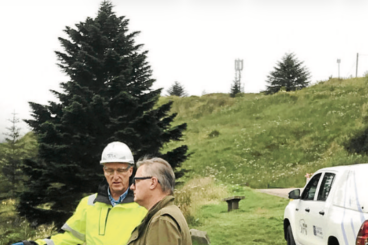
This newspaper was granted special access to the affected sections of the garden on Monday afternoon and given a tour of the devastation by supervisor Sean McDill
Of the 300 trees destroyed, 270 were lost in a single 100-metre-wide corridor, creating a dramatic scar across the gardens landscape. In total, over 750 plants have been damaged, with an additional 140 trees suffering broken limbs, snapped tops, or having been left dangerously leaning.
While the garden officially reopened parts of its lower grounds to the public on March 1, significant sections remain closed due to safety concerns and the ongoing recovery operation.
Among the most painful losses are rare and endangered species. The garden lost a 100150-year-old Atlas cedar (Cedrus atlantica), a species listed as endangered by the International Union for Conservation of Nature (IUCN). The storm also destroyed the tender plant glasshouse and with it, the Propagation Misting Unita vital piece of equipment used to root and nurture cuttings from rare and slow-growing specimens like Taiwania cryptomerioides, a rare Asian conifer that takes two years to root. Hundreds of these delicate cuttings are now gone, the result of years of careful work wiped out in a single day.
Much-loved visitor features such as Pucks Hut, the Squirrel Hide, and the visitor caf and shop were relatively untouched by the storm. Benmores team has worked tirelessly to ensure that the lower parts of the garden are safe and welcoming, even as steep hillside sections remain off-limits for the foreseeable future.
One symbolic survivor is a giant redwood (Sequoiadendron giganteum) in the iconic Redwood Avenue, which was snapped in two but is showing strong signs of survival.
One positive consequence of the storms damage is that the wood, from some of the trees which came down during the storm, are to be repurposed and used for a special project.
Sean explained: Guy Phillips, the boss of an Aberdeenshire company called Highland Heritage Woodworks contacted us and told us they were involved with an Edinburgh based charity called Social Bite, (a movement to end homelessness).
Theyve been working on a project building small villages of timber cottages for homeless people, using locally sourced wood and materials, (the villages are assembled and ready to live in much faster than regular housing construction projects).
Guy came here with some workers and picked up 26 ton of wind blown Douglas Fir timber which will go towards building these cottages for homeless people and we were really pleased to be able to help.